
Jul. 23, 2026
Pharmaceutical angle seat valves are specialized devices crucial in controlling the flow of fluids within pharmaceutical production processes. These valves function by enabling precise flow regulation and shut-off capabilities, which are vital for maintaining the integrity and sterilization needed in pharmaceutical applications. The value of angle seat valves extends beyond mere functionality; they ensure compliance with industry standards and contribute significantly to operational efficiency.
The history of pharmaceutical angle seat valves can be traced back to the increasing complexity of fluid handling systems in the pharmaceutical industry during the latter half of the 20th century. As the demand for stringent quality control rose, manufacturers began designing valves that offered better performance and reliability to meet the strict regulations laid out by different health authorities. This evolution reflects an ongoing commitment to improving pharmaceutical processes and product safety, particularly in sterile environments.
In practical terms, pharmaceutical angle seat valves are indispensable in various applications such as liquid dosing, steam control, and pressure regulation. Their design allows for a low-pressure drop and reduced turbulence, promoting smoother flow rates and higher accuracy in dispensing. This leads to enhanced manufacturing processes and minimized risk of contamination, aligning with the rigorous cleanliness standards outlined in protocols like ASTM and DIN.
However, there are common misconceptions regarding these valves. Many buyers assume that all pharmaceutical angle seat valves are interchangeable or that they can underestimate the importance of certifications and testing standards. In reality, not all valves have the same specifications or quality; choosing the right valve requires careful consideration of material compatibility, pressure ratings, and quality assurance processes such as 100% inspection and precision to 0.01mm.
To illustrate the significance of thoroughly selecting pharmaceutical angle seat valves, consider the case of a pharmaceutical manufacturer that experienced a production setback due to valve failure. The valves they used were not compliant with the necessary ASTM standards, leading to costly downtime and product recalls. This scenario emphasizes the necessity for buyers to ensure that they check compatibility, certifications, and manufacturing standards before placing their orders.
To summarize the essential aspects of what buyers should check before ordering pharmaceutical angle seat valves, consider the following critical points:
Material Compatibility: Ensure the materials are suitable for the specific fluids being handled.
Certifications: Verify that the valves meet industry standards such as ASTM and DIN.
Quality Assurance: Look for suppliers that conduct rigorous inspections, ensuring precision to 0.01mm and 100% inspection.
Supplier Reputation: Opt for reputable suppliers like Nomen Pharma, known for expertise and reliable products.
By understanding these factors, buyers can make informed decisions that enhance their production processes while adhering to the necessary regulatory frameworks. For more information, consider exploring further resources or directly contacting industry professionals who can assist in selecting the optimal pharmaceutical angle seat valves for your needs. For a visual reference, view this image: 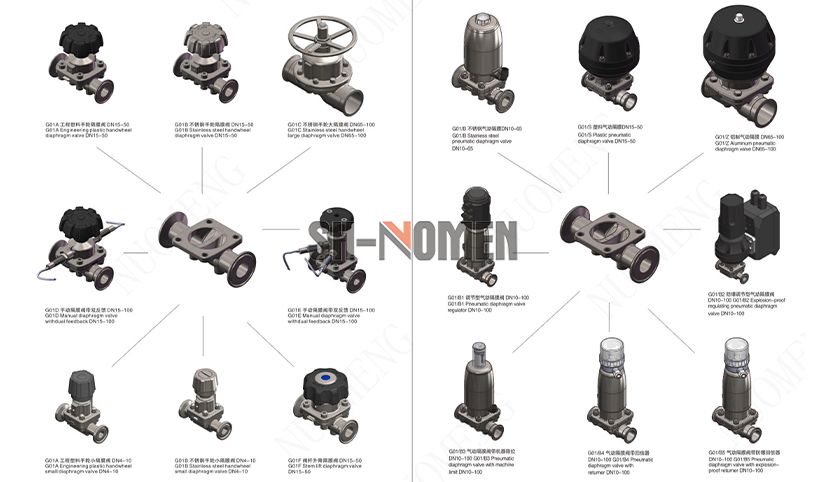 .
.
Investing the time to understand these elements will fortify your operations, ensuring quality and compliance in every phase of pharmaceutical production. Don’t leave your operations to chance; make sure to check these vital aspects before placing your next order.
LATEST NEWS
WANT TO SPEAK TO US?
The quickest way to identify the best solution for your needs is to speak with one of our team of experts. We'll be able to quickly narrow down your options and give you objective advice on the best fit.
